
Using firewood efficiently depends on more than the quality of the logs. The way a stove is lit, the timing of each reload, and the amount of fuel added can all influence how much heat is produced from each session. Small mistakes during lighting or refuelling can lead to unnecessary waste, especially when they are repeated throughout winter. By developing a more deliberate routine, homeowners can make the fire easier to control and avoid using more fuel than the room actually needs.
Start With Enough Kindling
A weak start often leads to extra fuel being added too early. Using enough dry kindling helps the fire reach a useful temperature before larger logs are introduced. If the initial flame struggles, homeowners may keep adding more wood in the hope of strengthening it. This can create an overcrowded firebox without solving the real problem. A well-prepared start is usually more effective than trying to rescue a poorly lit fire with additional fuel.
Let the First Load Establish Properly
Once the fire is burning, it needs time to settle. Adding another log immediately can reduce airflow around the first load and slow combustion. It is better to let the initial pieces burn strongly and create a stable ember bed.
This makes later refuelling easier. A strong base also reduces the need to repeatedly open the stove and adjust the fuel, which can interrupt the burn and release heat unnecessarily.
Avoid Refuelling by Habit
Some people add another log simply because a certain amount of time has passed. However, the stove may not actually need more fuel at that moment. A visible flame can become smaller while the embers still produce useful heat.
Watch the condition of the fire instead of following a fixed schedule. Refuelling only when the existing load has burned down sufficiently can help reduce overuse and create a steadier heating pattern.
Use the Right Amount for the Room
A small room does not need the same fuel load as a large open space. If the room becomes uncomfortably warm after every refill, too much wood may be going into the stove. Smaller loads can often maintain comfort once the room has already heated up.
The aim should be steady warmth rather than maximum output. Matching each reload to the actual room temperature can make fuel consumption more controlled over the course of an evening.
Apply the Same Thinking to Pellet Heating
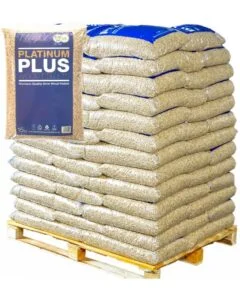
Households using compatible appliances with wood pellets can also benefit from careful fuel control. Pellet systems may manage feeding automatically, but settings still need to match the required level of heat. Running the appliance harder than necessary can increase consumption without providing any meaningful improvement in comfort.
Regularly checking settings and room temperature can help. Fuel efficiency is not only about the type of fuel used, but also about how well the heating system is matched to demand.
Keep the Firebox Clear Enough
Too much ash or debris can affect how a stove behaves. Depending on the appliance, excessive build-up may restrict airflow or make it harder to arrange the fuel properly. Regular cleaning helps maintain a more predictable burn. At the same time, there is no need to over-clean if the manufacturer’s guidance recommends leaving a small ash bed. The important point is to keep the stove in the condition it was designed to operate in.
Plan the Final Reload Carefully
One of the easiest places to waste fuel is at the end of the evening. If the room is already warm and bedtime is approaching, another full load may not be necessary. Existing embers and stored heat in the room can continue providing comfort for some time.
Before adding more wood, consider how much longer the heat is actually needed. Skipping an unnecessary final reload can save a noticeable amount of fuel over an entire heating season.
Learn From Each Heating Session
A good stove routine becomes easier with experience. Notice how many logs are needed to bring the room up to temperature, how long each load lasts, and when the fire begins to decline. These observations can help fine-tune future sessions.
If the stove repeatedly uses more fuel than expected, review the lighting process, loading amount, and airflow. Small adjustments made consistently can have a greater effect than occasional major changes.
Conclusion
Reducing fuel waste is largely about timing and control. A strong start, patient refuelling, sensible load sizes, proper stove maintenance, and careful decisions at the end of the evening can all improve how efficiently fuel is used. By paying closer attention to the behaviour of the fire and the actual warmth of the room, homeowners can avoid unnecessary loading, make supplies last longer, and maintain a more balanced heating routine throughout winter.